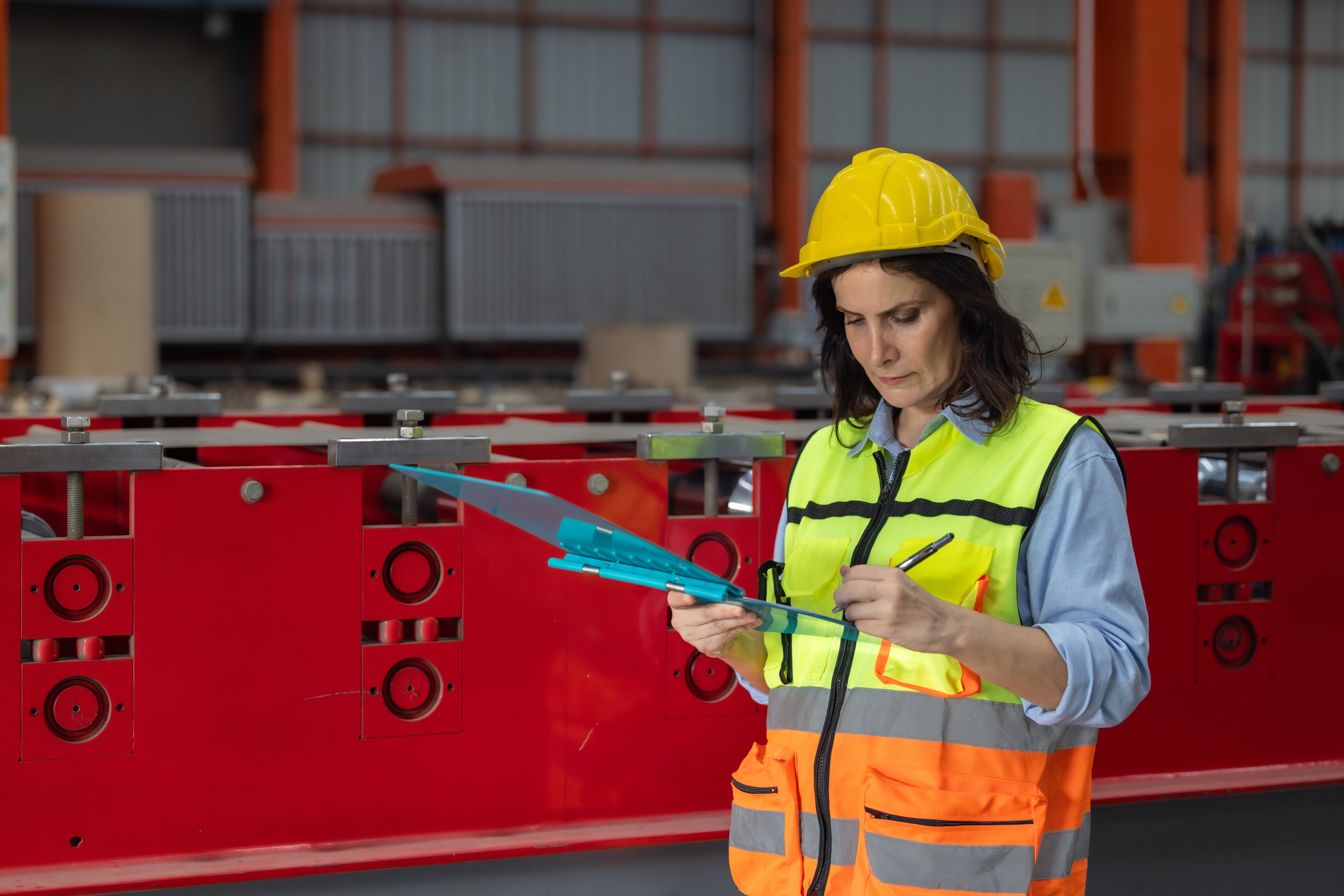
The history of women in the workforce has often been marked by ridicule, criticism, and systemic barriers. For generations, society reinforced the belief that men were the primary breadwinners while women were expected to remain homemakers. Although much has changed since the 1920s and women now play a far greater role in today's work environment, a noticeable gap in women's representation across many professions persists. Statistics continue to show that women make up a significantly smaller portion of the professional workforce compared to men.
Let's look to modern day, in university choosing a career path can be challenging, especially when students are still exploring their interests and strengths. Ambitious individuals may gravitate toward fields that demand diverse skill sets and offer complex, high-pressure responsibilities. Historically, certain professions such as engineering, architecture, medicine, and health and safety have seen higher participation from men, while women have been more represented in fields like teaching, childcare, and nursing. These trends have often been shaped by long-standing social expectations and structural barriers rather than capability or interest. Additionally, many high-risk sectors, including construction, mining, and manufacturing, continue to employ a larger proportion of men. As women increasingly enter these environments, they bring valuable perspectives while also navigating unique challenges associated with working in traditionally male-dominated fields. Let's examines some of the challenges women face when entering the health and safety profession.
Women as the Minority
When women enter the workforce as health and safety professionals, particularly in sectors such as manufacturing, mining, and construction they are often in the minority and surrounded primarily by male colleagues. In many cases, they may also work alongside individuals in leadership or operational roles who hold differing views on health and safety priorities. In addition to being the minority the may also be sole resource for their field, making it difficult for others to fully understand the day-to-day pressures they face. They often work independently, generating solutions in isolation, which can lead to feelings of professional and social isolation, especially when peer support is limited.
Additionally, women in high-risk environments face another layer of challenge: fewer women are represented at the executive level. This often means that women in health and safety must work even harder to project confidence, demonstrate expertise, and gain visibility in order to influence decision-making and drive meaningful change.
Age Related Discrimination
As women begin their careers, they often encounter age-related discrimination, particularly within the health and safety profession. The age related discrimination is evident when they are young with a constant feeling of having to prove their knowledge. Their views and professional opinions are often casted aside when it comes to their more senior male counterparts.
Stress
In the health and safety profession, the level of stress can be significant depending on the sector. This stress often stems from factors such as limited job control, concerns about job security, a lack of peer or upper-management support and work load. Each day brings new and unpredictable challenges, unexpected visits, disagreements between managers and workers, dysfunctional joint health and safety committees, and competing priorities. It is not uncommon for health and safety professionals to go months without touching their original to-do list because they must constantly respond to immediate, urgent issues. Overtime, this lack of control can create the perception that they are struggling to perform, which can further fuel worries about job security. The workload and constant struggle for control of the day to day can lead to lack of support from upper management who may not full grasp the difficulties faced.
Let's look at ways these challenges can be circumvented and faced head on.
10 Ways Women in Health and Safety Can Succeed
1. Stay organized. Set realistic goals and pay attention to details.
Find ways to take control of your day—or at least part of it. Gaining even a small sense of control can help increase your confidence and contribute to a greater feeling of job security. Set yourself up for success by establishing realistic goals rather than trying to complete everything on your to-do list at once. Consider using the STAR method (Specific, Timed, Action, Result) to structure your planning and communication. Remember that it is acceptable to say no or ask for more time when needed. Doing so can reduce stress and help you better prioritize your tasks.
2. Show independence and be prepared to collaborate
Balance autonomy with teamwork. Being capable of working independently while knowing when to collaborate demonstrates adaptability, a key strength in high-pressure and dynamic environments.
3. Foster strong relationships at all levels of the organization
Seek out colleagues within the organization who can become natural partners—whether because they share similar challenges or because they align with your values and objectives. Upper management tends to think strategically, and you should too. Make your plan visible by sharing your roadmap, outlining your direction, and regularly reflecting on your long term goals for the future of health and safety.
4. Focus on continuously improving your education to build technical skills
Commit to lifelong learning. Enhancing your technical knowledge strengthens your credibility and ensures you remain adaptable in a rapidly evolving profession.
5. Demonstrate your strong problem-solving skills
Leadership wants to see that you can solve problems effectively and make clear, concise decisions. As women, it is important to communicate with strength and clarity so your message is heard. This often requires patience and thoughtful preparation. Take the time to curate your message before responding impulsively; maintaining a calm, composed presence also reinforces your confidence.
6. Practice and develop skills in the ability to influence
Influence is a key leadership skill, especially in health and safety roles where you must gain buy in from individuals at all levels. Strengthen your persuasive communication, data driven reasoning, and ability to inspire action.
7. Demonstrate Confidence
Be confident in your abilities and lead with conviction. Have solid reasoning and research behind your opinions and direction. When you present yourself as calm and credible person your confidence will be evident.
8. Demonstrate leadership skills
Leadership is not defined by title. Show initiative, remain proactive, and model the behaviour you expect from others. Strong leadership presence makes you a trusted and sought after voice in the organization.
9. Establish strong professional credibility
Credibility is built through expertise, consistency, and integrity. Follow through on commitments, use evidence-based reasoning, and maintain high professional standards.
10. Always practice good communication skills
Effective communication is essential in health and safety roles. Strive to be clear, concise, and intentional with your messaging. Tailor your communication style to your audience, and ensure your message is both heard and understood.
Finally, ensure you have an outlet outside of work. Whether it is other women in health and safety or a trusted friend. Having a space to voice your concerns and work through your thoughts can help you stay grounded and maintain good mental health.
Closing
Women in health and safety continue to break barriers, challenge assumptions, and redefine what leadership looks like in high risk and traditionally male dominated environments. Succeeding in this profession requires confidence, resilience, and a commitment to personal authenticity. By choosing sectors that align with their strengths, preparing for the challenges ahead, and deliberately building communication skills, credibility, influence, and strategic relationships, women can position themselves for meaningful impact. As Women we must continue to inspire future generations to pursue careers in health and safety with courage and conviction.